SCCL Disclaimer for Continuing Education Courses & Related Content

The Saskatoon Colostrum Company Ltd.’s (“SCCL”) Continuing Education Courses (the “Courses”), and all related informational material and content including, without limitation, SCCL’s e-newsletter and display pages (“Related Content”) which appear on www.devsccl.wpengine.com or any of its subdomains or are otherwise provided to users, are provided on an “AS IS” basis and are intended for general consumer understanding and education only. Any access to the Courses or Related Content is voluntary and at the sole risk of the user. SCCL makes no representations or warranties of any kind, express or implied, about the completeness, accuracy, reliability, suitability or availability with respect to the Courses or Related Content. If the user is dissatisfied with the Courses or Related Content, the user’s sole and exclusive remedy is to discontinue using the Courses and site. Nothing contained in the Courses or Related Content should be considered, or used as a substitute for, veterinary medical advice, diagnosis or treatment. The information provided on the website is for educational and informational purposes only and is not meant as a substitute for professional advice from a veterinarian or other professional. Courses and Related Content are designed to educate consumers on general colostrum benefits that may affect their animal’s daily lives. This site and its Courses do not constitute the practice of any veterinary medical or other professional veterinary health care advice, diagnosis or treatment. SCCL disclaims liability for any damages or losses, direct or indirect, that may result from use of or reliance on information contained within the Courses or Related Content. Although access to the Courses and Related Content is open to worldwide users, SCCL is organized under the laws of Canada. Therefore, the terms of this disclaimer shall be governed by the laws of Saskatchewan, Canada as to the interpretation, validity and effect of this disclaimer notwithstanding and without giving effect to any conflict of laws provisions of your domicile, residence or physical location. You agree to submit to the jurisdiction of Saskatchewan. SCCL advises consumers to always seek the advice of a veterinarian, veterinary specialist or other qualified veterinary health care provider with any questions regarding an animal’s health or medical conditions. Never disregard, avoid or delay in obtaining medical advice from your veterinarian or other qualified veterinary health care provider because of something you have read on this site.

The Colostrum Counsel

Expert advice on colostrum management and newborn best practices.

Receive our Publications!

Our bimonthly publications will inform you about colostrum management practices, newborn care, industry trends, and more.

Beyond Day 1: A Practical Guide to Colostrum and Transition Feeding

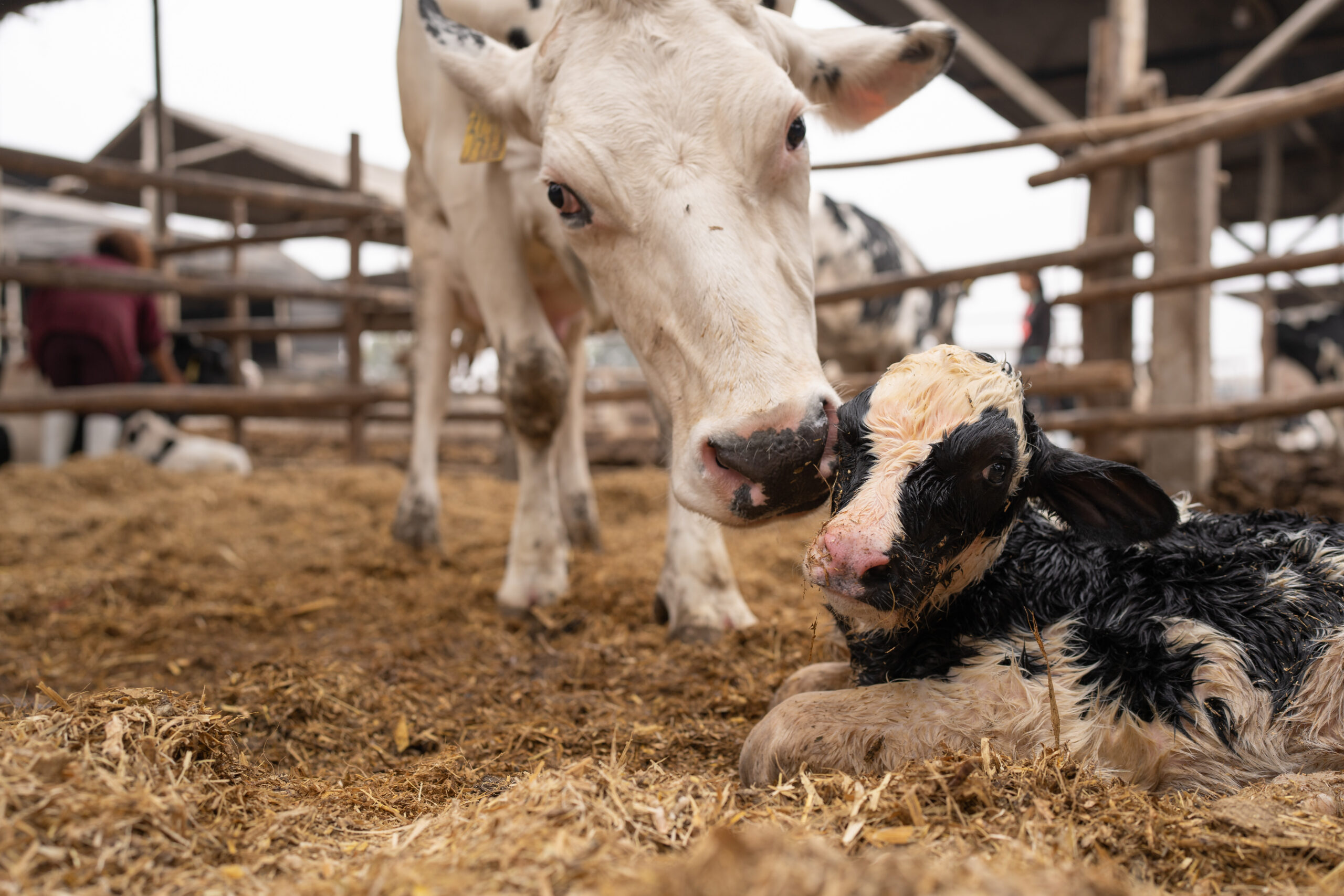
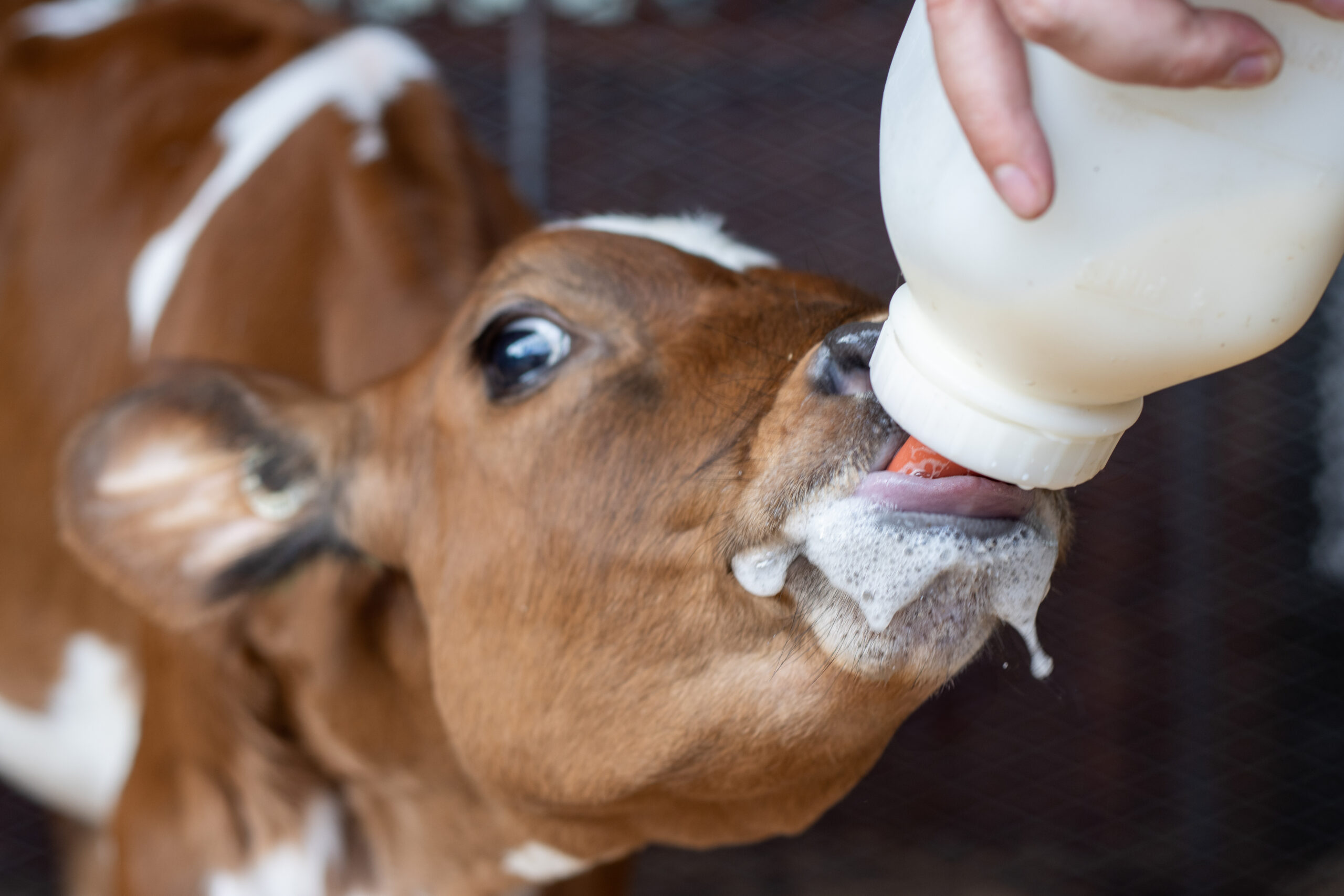
Mother Nature designed transition milk to support the calf during a highly vulnerable period after birth. Transition milk is still high in fat, natural antimicrobials, and bioactives, less concentrated than colostrum but more than conventional milk, and provides the calf with the energy, protection, and physiological signals that encourage cells to grow and differentiate, key to calf early life development. However, in most modern dairy systems, this natural phase is largely lost due to early separation of the calf from the dam and the lack of a practical way to consistently manage transition milk. As a result, an important nutritional and functional window is missing, leaving calves more susceptible and less likely to reach their genetic potential. Researchers and industry understand the value of this phase and aim to recreate it in practice by using colostrum powder to produce a low-labor intensive, consistent, and safe transition milk. In this way, producers can mimic the natural process in a standardized fashion, extending the benefits of colostrum beyond day 1 and supporting the calf during this critical window.
Read More
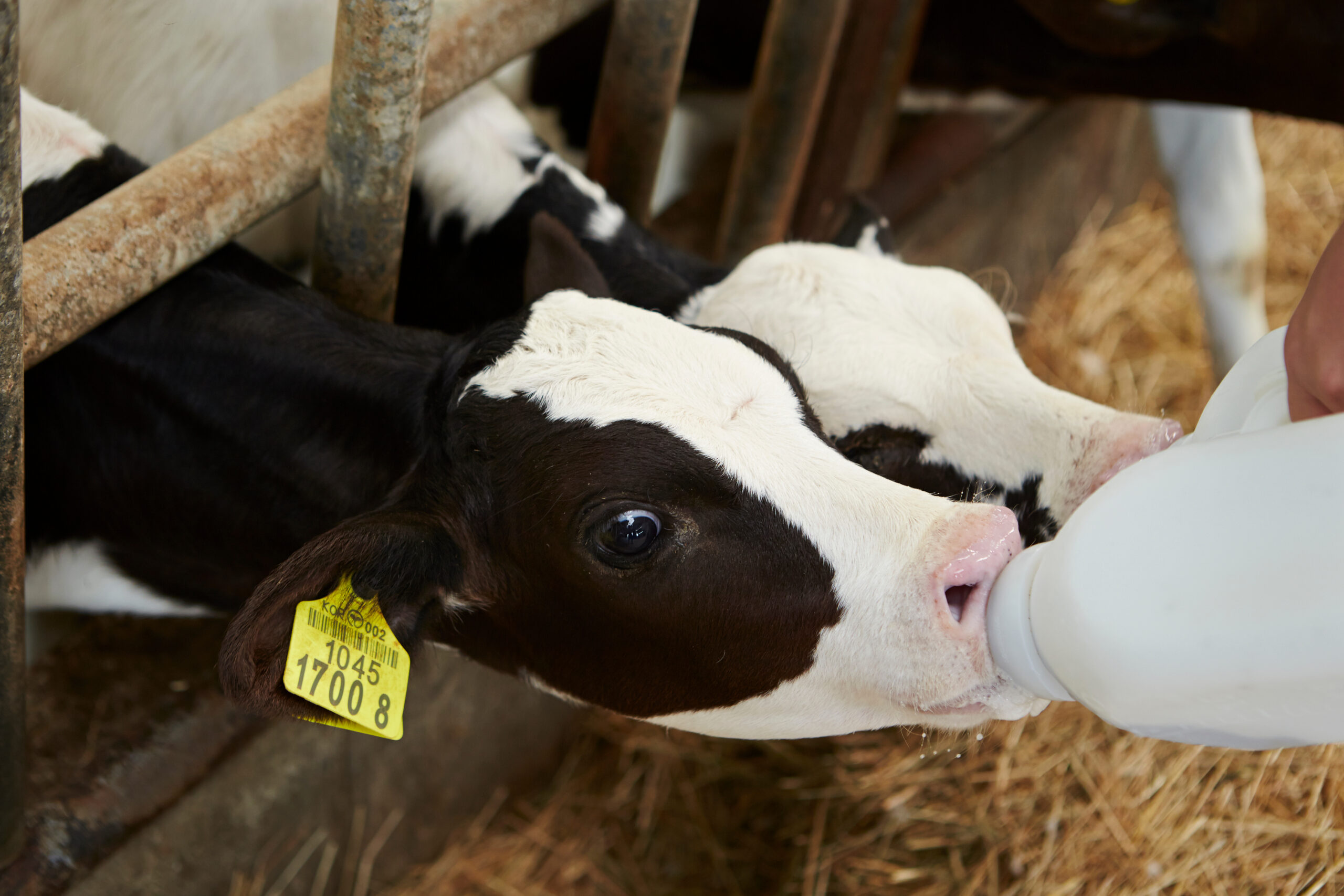
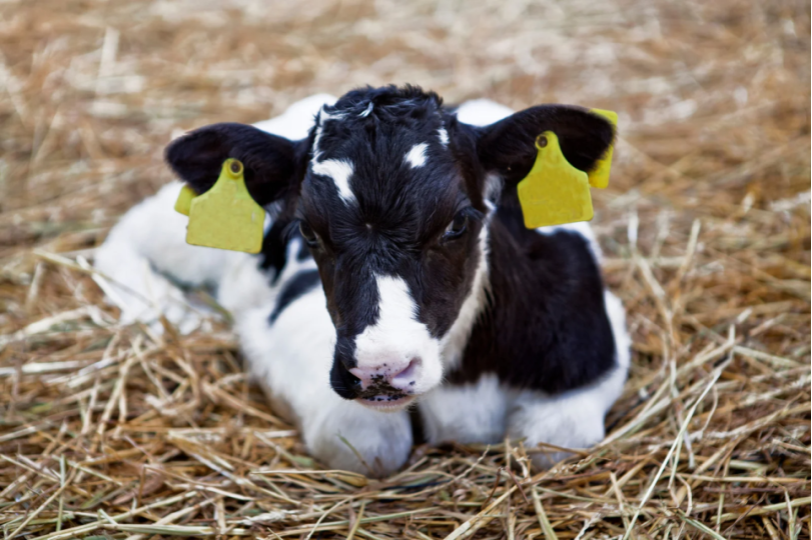
Black and white calf laying in straw

Preweaning Health Is a Lifetime Profitability Issue

The preweaning period is the riskiest time in a dairy calf’s life. Disease and death are most concentrated in these first weeks, and the consequences reach far beyond what’s visible at the time. Early-life illness doesn’t just create short-term costs — it fundamentally changes what that animal becomes. Calves that experience illness before weaning don’t just cost more to raise. Research consistently shows they grow slower, convert feed less efficiently, produce less milk as adults, get sick more often, are harder to treat, and are significantly more likely to be culled or die prematurely. The economic and welfare implications are compounding, farm-wide, and often invisible until the damage is already done.

Read More

Not all Colostrum is Created Equal: Why Fat Matters More Than You Think for Calves

Colostrum is natures first and most powerful nourishment for a calf, setting them up for short- and long-term health and productivity. Notably, the fat that is in colostrum (besides the obvious antibodies) is ESSENTIAL in getting calves up, excited to be alive and thriving through to weaning and as a member of the herd. Unfortunately, sometimes nature falls short. Heifers are notorious for poor quality or low quantity of colostrum, hot days discourage colostrum intake, twins can be slow to suck and compete for the same stock of colostrum and difficult calvings can mean weak suckle reflexes and stressed calves with a reduced ability to absorb the nutrients and bioactives from colostrum.

Read More

The Colostrum Counsel – More than an Antibody Bolus: The Benefits of Colostrum Beyond IgGs

Colostrum has evolved alongside calves to serve as more than just an antibody bolus. It provides critical nutrients essential to survive the jarring transition from utero to the outside environment and delivers signals that tell tissues how to grow, differentiate and defend. This liquid gold is a calf’s first functional feed. It contributes to tissue growth, metabolism and disease resistance. Many of these effects are happening even before antibodies have even entered a calf’s circulation and last for weeks after the initial dose which have long-term implications on health and productivity. Missing out on this, means limiting a calf’s ability to reach its full potential.

Read More
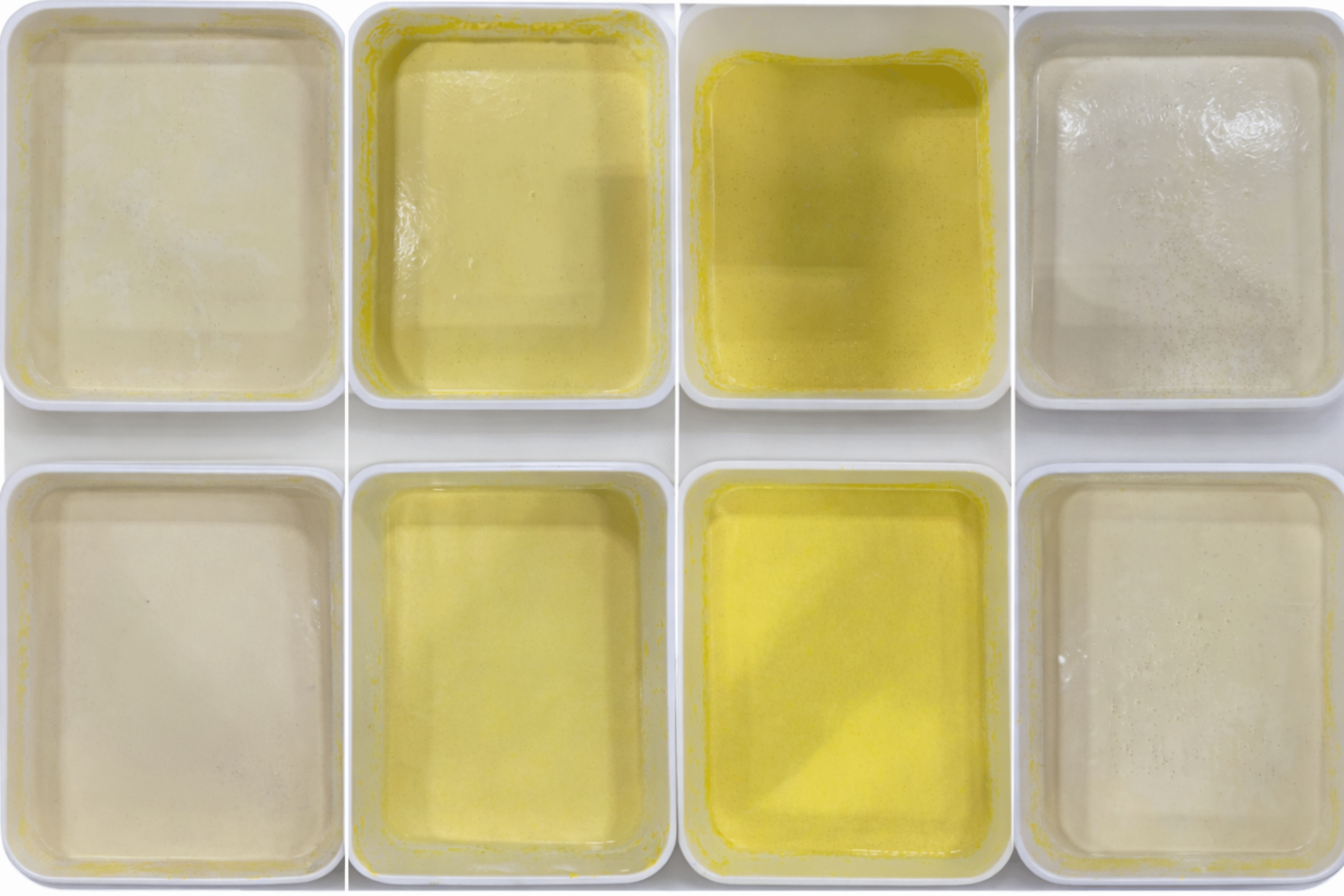
Pails of colostrum showing variability

The Colostrum Counsel – Maternal Colostrum Quality Varies, Calf Health Shouldn’t

Colostrum is the foundation of calf health. It provides the newborn calf with immunoglobulins through passive transfer that are essential for survival, disease resistance, and long-term performance. Decades of research have shown that calves with higher levels of passive immunity have lower risks of morbidity and mortality, improved growth, and better lifetime productivity. As a result, most dairy producers are well aware of the importance of feeding colostrum quickly and in sufficient volume after birth.

Read More

JOIN US!

Cooling the calf: Colostrum and transition milk solutions for heat stress

-June 25th, 2025  |  5:00 pm CST

Online zoom webinar