Zastrzeżenie SCCL dotyczące kursów kształcenia ustawicznego i powiązanych treści

The Saskatoon Colostrum Company Ltd.’s (“SCCL”) Continuing Education Courses (the “Courses”), and all related informational material and content including, without limitation, SCCL’s e-newsletter and display pages (“Related Content”) which appear on www.devsccl.wpengine.com or any of its subdomains or are otherwise provided to users, are provided on an “AS IS” basis and are intended for general consumer understanding and education only. Any access to the Courses or Related Content is voluntary and at the sole risk of the user. SCCL makes no representations or warranties of any kind, express or implied, about the completeness, accuracy, reliability, suitability or availability with respect to the Courses or Related Content. If the user is dissatisfied with the Courses or Related Content, the user’s sole and exclusive remedy is to discontinue using the Courses and site. Nothing contained in the Courses or Related Content should be considered, or used as a substitute for, veterinary medical advice, diagnosis or treatment. The information provided on the website is for educational and informational purposes only and is not meant as a substitute for professional advice from a veterinarian or other professional. Courses and Related Content are designed to educate consumers on general colostrum benefits that may affect their animal’s daily lives. This site and its Courses do not constitute the practice of any veterinary medical or other professional veterinary health care advice, diagnosis or treatment. SCCL disclaims liability for any damages or losses, direct or indirect, that may result from use of or reliance on information contained within the Courses or Related Content. Although access to the Courses and Related Content is open to worldwide users, SCCL is organized under the laws of Canada. Therefore, the terms of this disclaimer shall be governed by the laws of Saskatchewan, Canada as to the interpretation, validity and effect of this disclaimer notwithstanding and without giving effect to any conflict of laws provisions of your domicile, residence or physical location. You agree to submit to the jurisdiction of Saskatchewan. SCCL advises consumers to always seek the advice of a veterinarian, veterinary specialist or other qualified veterinary health care provider with any questions regarding an animal’s health or medical conditions. Never disregard, avoid or delay in obtaining medical advice from your veterinarian or other qualified veterinary health care provider because of something you have read on this site.

Colostrum Counsel

Porady ekspertów dotyczące zarządzania siarą i najlepszych praktyk dla noworodków.

Otrzymuj nasze publikacje!

Nasze dwumiesięczne publikacje zawierają informacje na temat praktyk zarządzania siarą, opieki nad noworodkami, trendów w branży i nie tylko.

Heat Stress and Colostrum Quality: Beating the Heat Starts Before Calving

Summer heat doesn’t just make cows uncomfortable, reducing feed intake and subsequent production, it sets off a chain of biological events that affects colostrum quality, passive immune transfer, calf birth weight, and preweaning health outcomes that can persist well into first lactation. For dairy producers and veterinarians, understanding the full scope of heat stress and knowing when and where to intervene is one of the most impactful management decisions of the year when it comes to maintaining production and calf health.

Download the Cow & Calf Heat Stress Management Checklist 
Czytaj więcej

Beyond Day 1: A Practical Guide to Colostrum and Transition Feeding

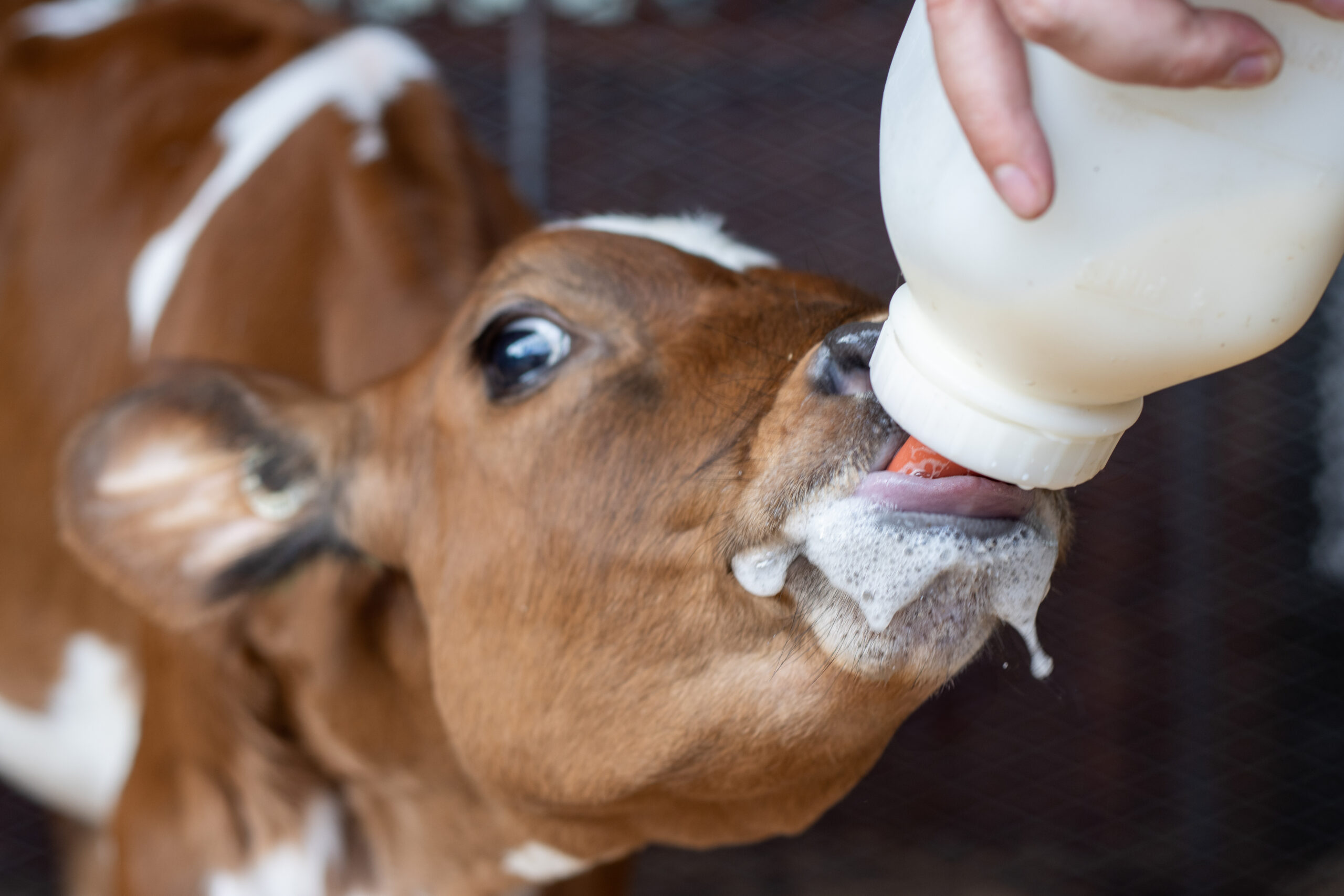
Mother Nature designed transition milk to support the calf during a highly vulnerable period after birth. Transition milk is still high in fat, natural antimicrobials, and bioactives, less concentrated than colostrum but more than conventional milk, and provides the calf with the energy, protection, and physiological signals that encourage cells to grow and differentiate, key to calf early life development. However, in most modern dairy systems, this natural phase is largely lost due to early separation of the calf from the dam and the lack of a practical way to consistently manage transition milk. As a result, an important nutritional and functional window is missing, leaving calves more susceptible and less likely to reach their genetic potential. Researchers and industry understand the value of this phase and aim to recreate it in practice by using colostrum powder to produce a low-labor intensive, consistent, and safe transition milk. In this way, producers can mimic the natural process in a standardized fashion, extending the benefits of colostrum beyond day 1 and supporting the calf during this critical window.

Czytaj więcej
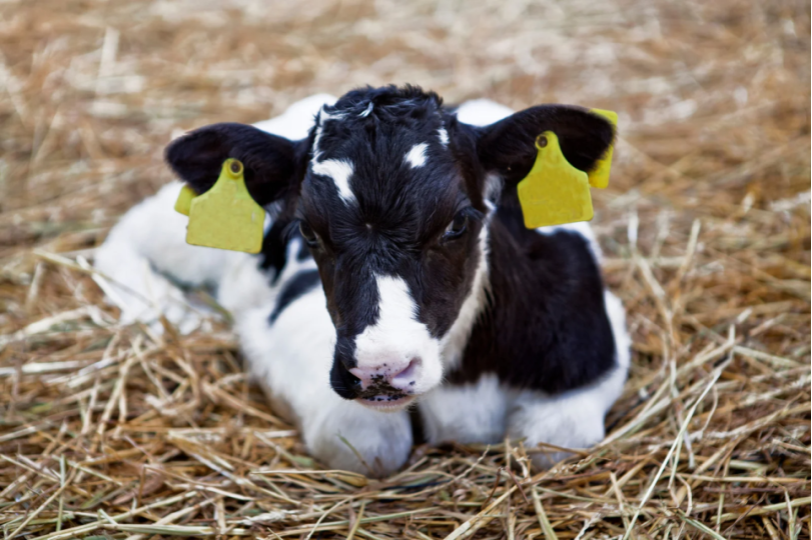
Black and white calf laying in straw

Zdrowie przed odsadzeniem jest kwestią rentowności przez całe życie

Okres przed odsadzeniem to najbardziej ryzykowny czas w życiu cieląt mlecznych. Choroby i śmierć są najbardziej skoncentrowane w tych pierwszych tygodniach, a konsekwencje sięgają daleko poza to, co jest widoczne w tym czasie. Choroba we wczesnym okresie życia nie tylko generuje krótkoterminowe koszty - zasadniczo zmienia to, kim staje się zwierzę. Cielęta, które doświadczyły choroby przed odsadzeniem, nie tylko kosztują więcej w hodowli. Badania konsekwentnie pokazują, że rosną wolniej, mniej efektywnie przetwarzają paszę, produkują mniej mleka jako dorosłe osobniki, częściej chorują, trudniej je leczyć i są znacznie bardziej narażone na ubój lub przedwczesną śmierć. Konsekwencje ekonomiczne i dobrostanowe są złożone, obejmują całe gospodarstwo i często są niewidoczne, dopóki szkody nie zostaną już wyrządzone.

Czytaj więcej

Nie każda siara jest sobie równa: Dlaczego tłuszcz ma większe znaczenie dla cieląt niż myślisz?

Siara jest pierwszym i najpotężniejszym naturalnym pokarmem dla cieląt, przygotowującym je do krótko- i długoterminowego zdrowia i produktywności. Co ważne, tłuszcz zawarty w siarze (oprócz oczywistych przeciwciał) jest niezbędny do tego, aby cielęta wstały, były podekscytowane życiem i dobrze się rozwijały aż do odsadzenia i stania się członkiem stada. Niestety, czasami natura nie daje rady. Jałówki słyną z niskiej jakości lub małej ilości siary, upalne dni zniechęcają do jej pobierania, bliźnięta mogą wolno ssać i konkurować o ten sam zapas siary, a trudne wycielenia mogą oznaczać słaby odruch ssania i zestresowane cielęta o zmniejszonej zdolności do wchłaniania składników odżywczych i bioaktywnych z siary.

Czytaj więcej

The Colostrum Counsel - Więcej niż bolus przeciwciał: Korzyści z siary wykraczające poza IgG

Siara ewoluowała wraz z cielętami, aby służyć jako coś więcej niż tylko bolus przeciwciał. Zapewnia krytyczne składniki odżywcze niezbędne do przetrwania wstrząsającego przejścia z macicy do środowiska zewnętrznego i dostarcza sygnały, które mówią tkankom, jak rosnąć, różnicować się i bronić. To płynne złoto jest pierwszą funkcjonalną paszą dla cieląt. Przyczynia się do wzrostu tkanek, metabolizmu i odporności na choroby. Wiele z tych efektów ma miejsce jeszcze zanim przeciwciała dostaną się do krwiobiegu cielęcia i utrzymują się przez kilka tygodni po podaniu początkowej dawki, co ma długoterminowy wpływ na zdrowie i produktywność. Pominięcie tego oznacza ograniczenie zdolności cielęcia do osiągnięcia pełnego potencjału.

Czytaj więcej

DOŁĄCZ DO NAS!

Chłodzenie cielęcia: Siara i mleko przejściowe na stres cieplny

-25 czerwca 2025 r. | 17:00 czasu środkowoeuropejskiego

Powiększające webinarium online