Cláusula de exención de responsabilidad del SCCL para cursos de formación continua y contenidos relacionados

The Saskatoon Colostrum Company Ltd.’s (“SCCL”) Continuing Education Courses (the “Courses”), and all related informational material and content including, without limitation, SCCL’s e-newsletter and display pages (“Related Content”) which appear on www.devsccl.wpengine.com or any of its subdomains or are otherwise provided to users, are provided on an “AS IS” basis and are intended for general consumer understanding and education only. Any access to the Courses or Related Content is voluntary and at the sole risk of the user. SCCL makes no representations or warranties of any kind, express or implied, about the completeness, accuracy, reliability, suitability or availability with respect to the Courses or Related Content. If the user is dissatisfied with the Courses or Related Content, the user’s sole and exclusive remedy is to discontinue using the Courses and site. Nothing contained in the Courses or Related Content should be considered, or used as a substitute for, veterinary medical advice, diagnosis or treatment. The information provided on the website is for educational and informational purposes only and is not meant as a substitute for professional advice from a veterinarian or other professional. Courses and Related Content are designed to educate consumers on general colostrum benefits that may affect their animal’s daily lives. This site and its Courses do not constitute the practice of any veterinary medical or other professional veterinary health care advice, diagnosis or treatment. SCCL disclaims liability for any damages or losses, direct or indirect, that may result from use of or reliance on information contained within the Courses or Related Content. Although access to the Courses and Related Content is open to worldwide users, SCCL is organized under the laws of Canada. Therefore, the terms of this disclaimer shall be governed by the laws of Saskatchewan, Canada as to the interpretation, validity and effect of this disclaimer notwithstanding and without giving effect to any conflict of laws provisions of your domicile, residence or physical location. You agree to submit to the jurisdiction of Saskatchewan. SCCL advises consumers to always seek the advice of a veterinarian, veterinary specialist or other qualified veterinary health care provider with any questions regarding an animal’s health or medical conditions. Never disregard, avoid or delay in obtaining medical advice from your veterinarian or other qualified veterinary health care provider because of something you have read on this site.

El consejo del calostro

Consejos de expertos sobre la gestión del calostro y las mejores prácticas para los recién nacidos.

Reciba nuestras publicaciones

Nuestras publicaciones bimensuales le informarán sobre prácticas de gestión del calostro, cuidados del recién nacido, tendencias del sector y mucho más.

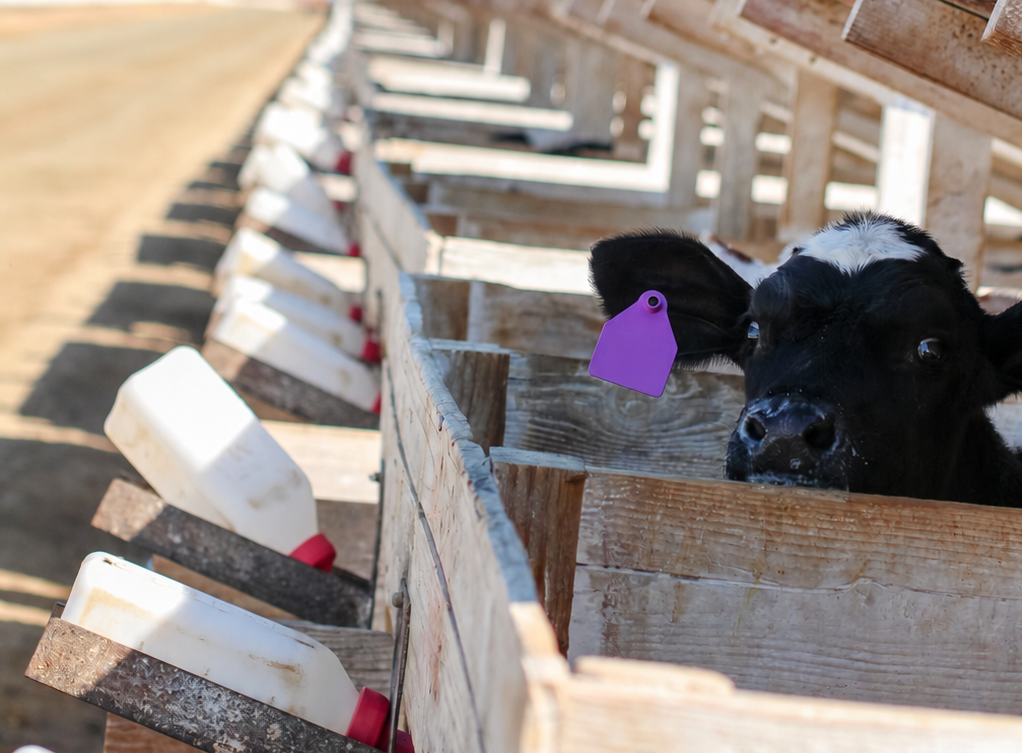
Heat Stress and Colostrum Quality: Beating the Heat Starts Before Calving

Summer heat doesn’t just make cows uncomfortable, reducing feed intake and subsequent production, it sets off a chain of biological events that affects colostrum quality, passive immune transfer, calf birth weight, and preweaning health outcomes that can persist well into first lactation. For dairy producers and veterinarians, understanding the full scope of heat stress and knowing when and where to intervene is one of the most impactful management decisions of the year when it comes to maintaining production and calf health.

Download the Cow & Calf Heat Stress Management Checklist 
Seguir leyendo

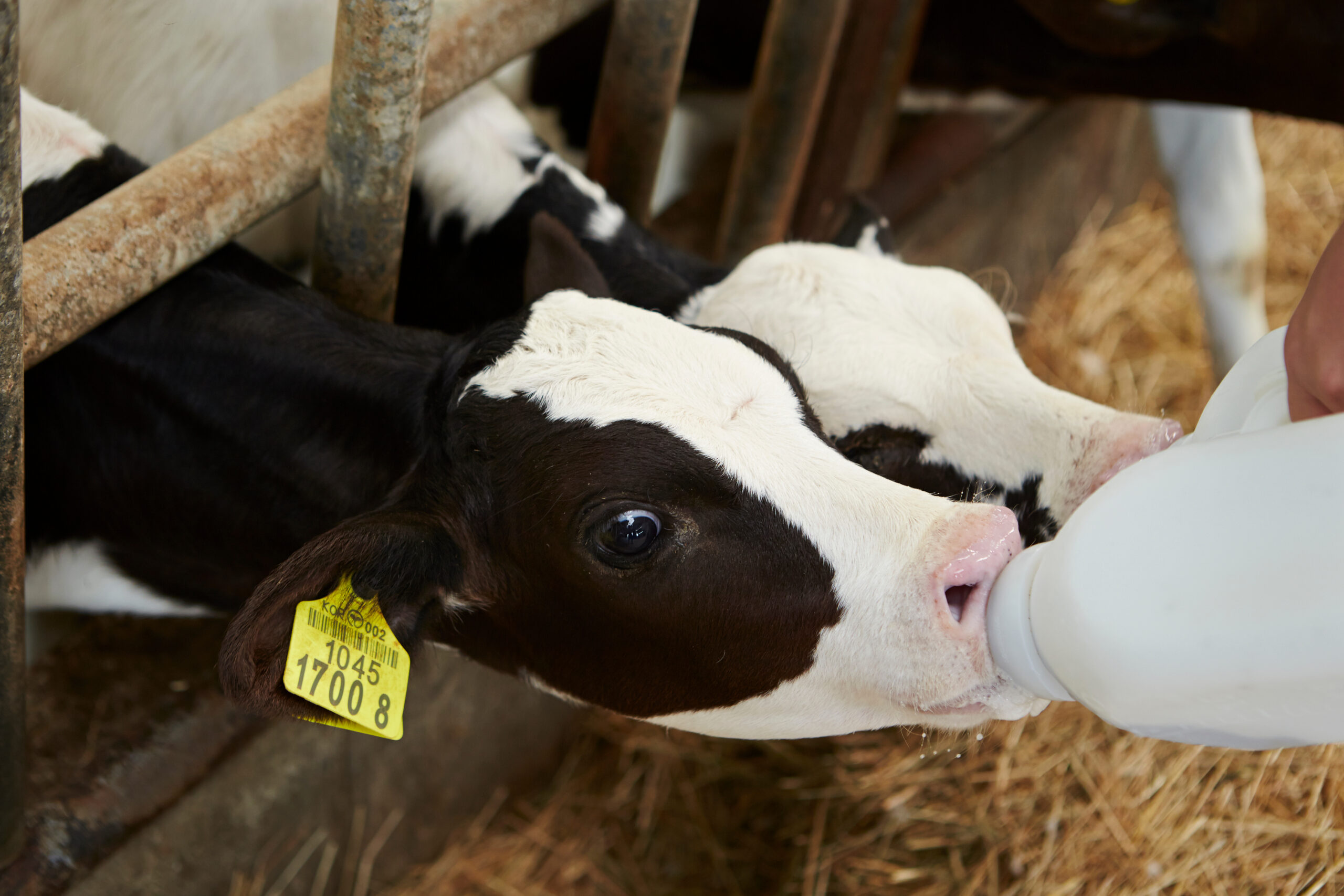
Beyond Day 1: A Practical Guide to Colostrum and Transition Feeding

Mother Nature designed transition milk to support the calf during a highly vulnerable period after birth. Transition milk is still high in fat, natural antimicrobials, and bioactives, less concentrated than colostrum but more than conventional milk, and provides the calf with the energy, protection, and physiological signals that encourage cells to grow and differentiate, key to calf early life development. However, in most modern dairy systems, this natural phase is largely lost due to early separation of the calf from the dam and the lack of a practical way to consistently manage transition milk. As a result, an important nutritional and functional window is missing, leaving calves more susceptible and less likely to reach their genetic potential. Researchers and industry understand the value of this phase and aim to recreate it in practice by using colostrum powder to produce a low-labor intensive, consistent, and safe transition milk. In this way, producers can mimic the natural process in a standardized fashion, extending the benefits of colostrum beyond day 1 and supporting the calf during this critical window.

Seguir leyendo
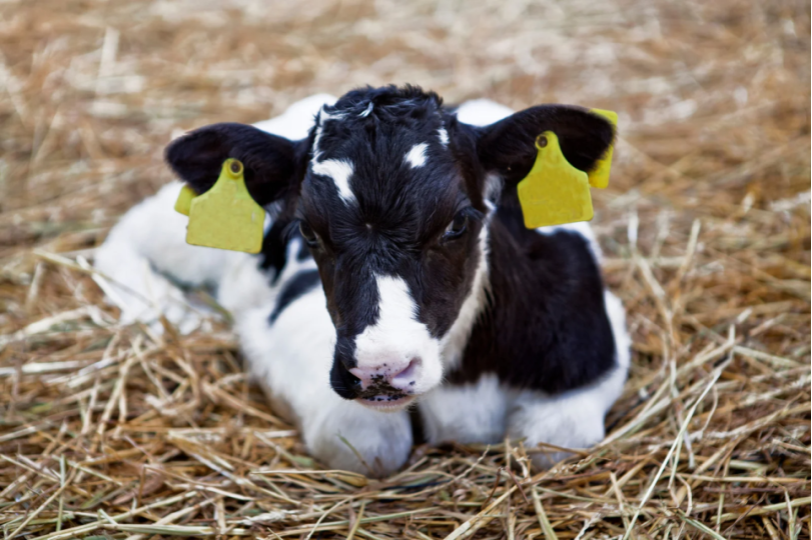
Black and white calf laying in straw

La salud antes del destete es una cuestión que afecta a la rentabilidad a lo largo de toda la vida

El período previo al destete es la etapa más riesgosa en la vida de un ternero lechero. Las enfermedades y la mortalidad se concentran principalmente en estas primeras semanas, y las consecuencias van mucho más allá de lo que se percibe en ese momento. Las enfermedades en las primeras etapas de vida no solo generan costos a corto plazo, sino que cambian de manera fundamental el desarrollo futuro del animal. Los terneros que padecen enfermedades antes del destete no solo tienen un costo de cría más elevado. Las investigaciones demuestran sistemáticamente que crecen más lentamente, aprovechan el alimento de manera menos eficiente, producen menos leche en la edad adulta, se enferman con mayor frecuencia, son más difíciles de tratar y tienen una probabilidad significativamente mayor de ser sacrificados o morir prematuramente. Las implicaciones económicas y de bienestar son acumulativas, afectan a toda la granja y, a menudo, son invisibles hasta que el daño ya está hecho.

Seguir leyendo

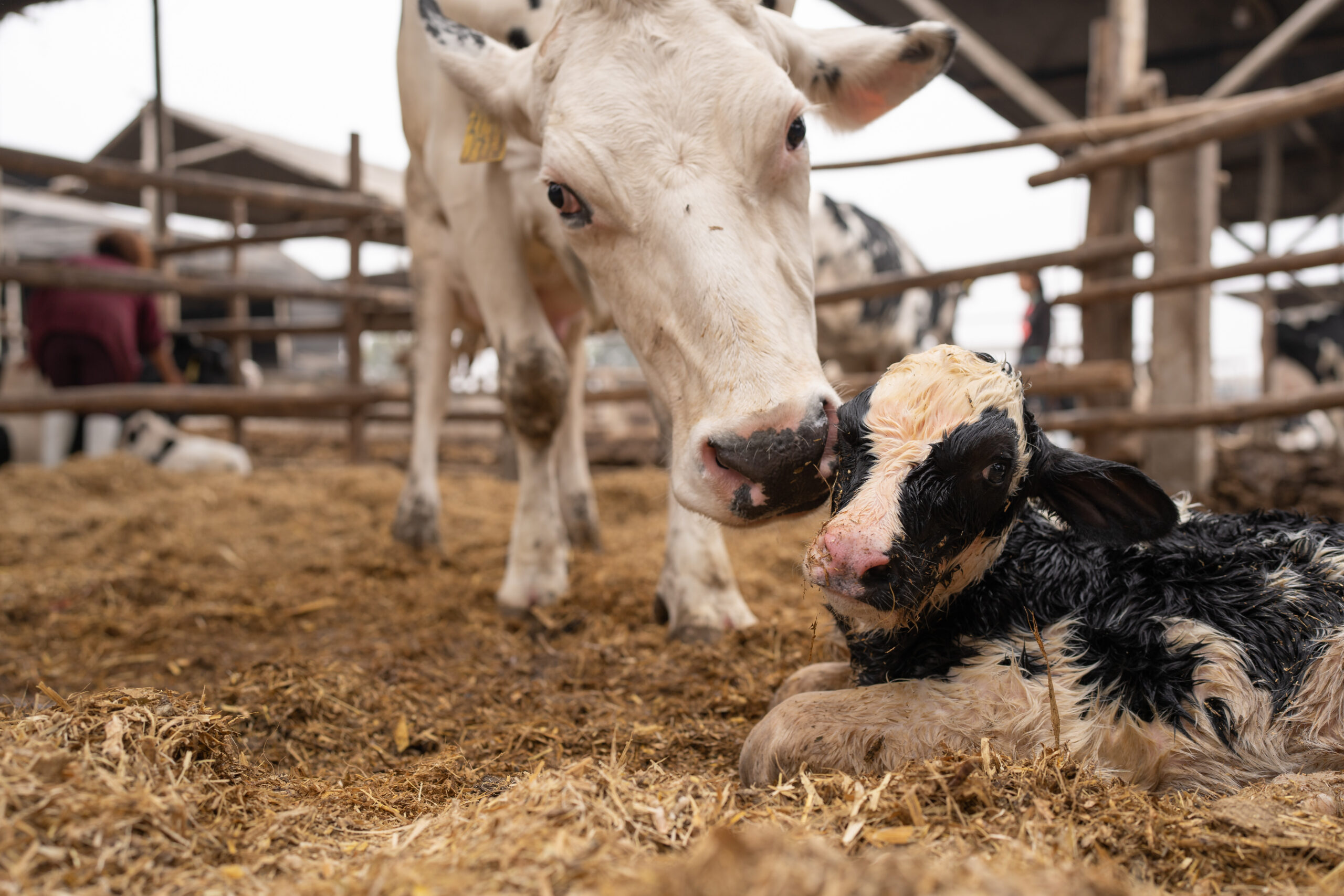
No todo el calostro es igual: por qué la grasa es más importante de lo que crees para los terneros

El calostro es el primer alimento de la naturaleza y el más potente para un ternero, ya que sienta las bases para su salud y productividad a corto y largo plazo. En particular, la grasa que contiene el calostro (además de los evidentes anticuerpos) es ESENCIAL para que los terneros se pongan de pie, se sientan llenos de vida y prosperen hasta el destete y como miembros del rebaño. Desafortunadamente, a veces la naturaleza no da la talla. Las novillas son conocidas por producir calostro de mala calidad o en poca cantidad; los días calurosos desalientan la ingesta de calostro; los gemelos pueden ser lentos para mamar y competir por la misma reserva de calostro; y los partos difíciles pueden significar reflejos de succión débiles y terneros estresados con una capacidad reducida para absorber los nutrientes y bioactivos del calostro.

Seguir leyendo

The Colostrum Counsel – Más que un simple aporte de anticuerpos: los beneficios del calostro más allá de las IgG

El calostro ha evolucionado junto con los terneros para ser algo más que un simple aporte de anticuerpos. Aporta nutrientes fundamentales, esenciales para sobrevivir a la brusca transición del útero al entorno exterior, y envía señales que indican a los tejidos cómo crecer, diferenciarse y defenderse. Este «oro líquido» es el primer alimento funcional del ternero. Contribuye al crecimiento de los tejidos, al metabolismo y a la resistencia a las enfermedades. Muchos de estos efectos se producen incluso antes de que los anticuerpos hayan entrado en la circulación del ternero y perduran durante semanas después de la dosis inicial, lo que tiene implicaciones a largo plazo en la salud y la productividad. Privarse de esto significa limitar la capacidad del ternero para alcanzar su máximo potencial.

Seguir leyendo

ÚNETE A NOSOTROS

Enfriar al ternero: Soluciones de calostro y leche de transición para el estrés térmico

25 de junio de 2025 - 17:00 CST

Seminario en línea con zoom